Hey Mama ♡ This article reflects my previous work.
I now focus on creating affirmation cards and routines that celebrate Black children and families.
Explore MoodGraphique Melanin on Etsy →
Why Emotional Intelligence Matters
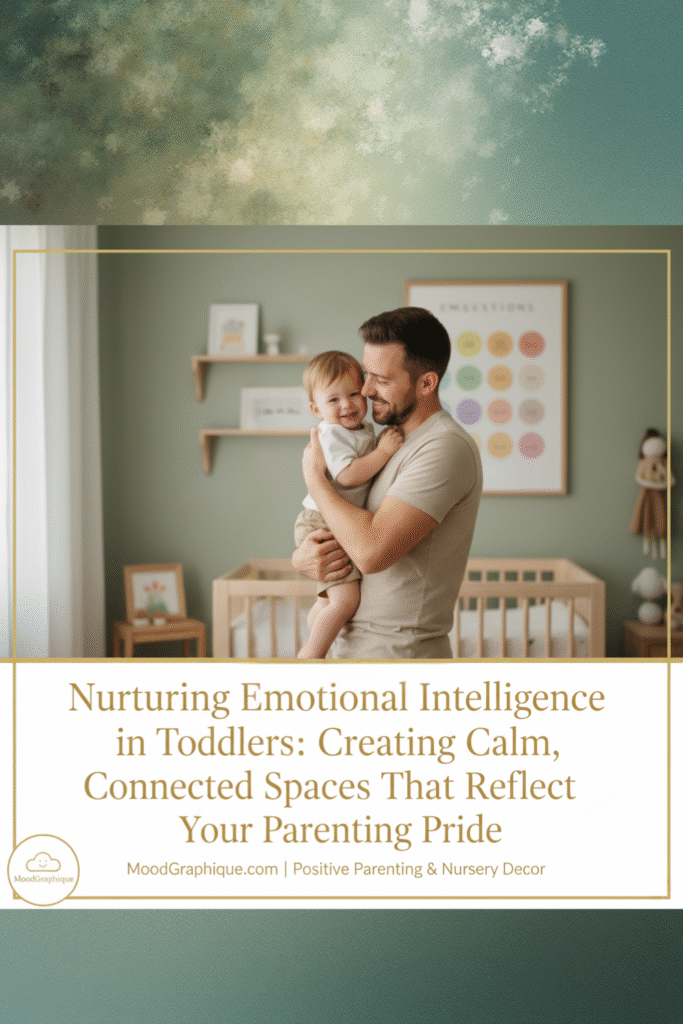
Nurturing the emotional intelligence toddlers need is more than just milestones or routines; it’s about cultivating a foundation of emotional security that lasts a lifetime.Today’s mindful parents yearn to nourish the conversation around emotions right from the nursery, discovering that real confidence grows where empathy is nurtured and connections are celebrated.
In a world that moves fast, the ability to pause and create a calm, connected space for your toddler is a gift not only for your child but for you too.
Emotional intelligence is now recognized as a true cornerstone of future success children who learn to recognize, express, and manage their feelings enjoy stronger relationships, deeper well-being, and real resilience to life’s twists and turns.
Nourish the Emotional Conversation
Imagine an environment that gently reflects your values and validates your good taste a thoughtfully curated room that empowers you as a parent to take creative control instantly, without compromise.
This is more than decor it’s an invitation to spark the most important conversations, nurturing pride in the little moments that shape who your child will become.
In this post, we’ll explore how to master the art of creating such spaces environments designed not just to soothe but to support your child’s emotional growth, while reflecting your own vision and ambitions for your family.
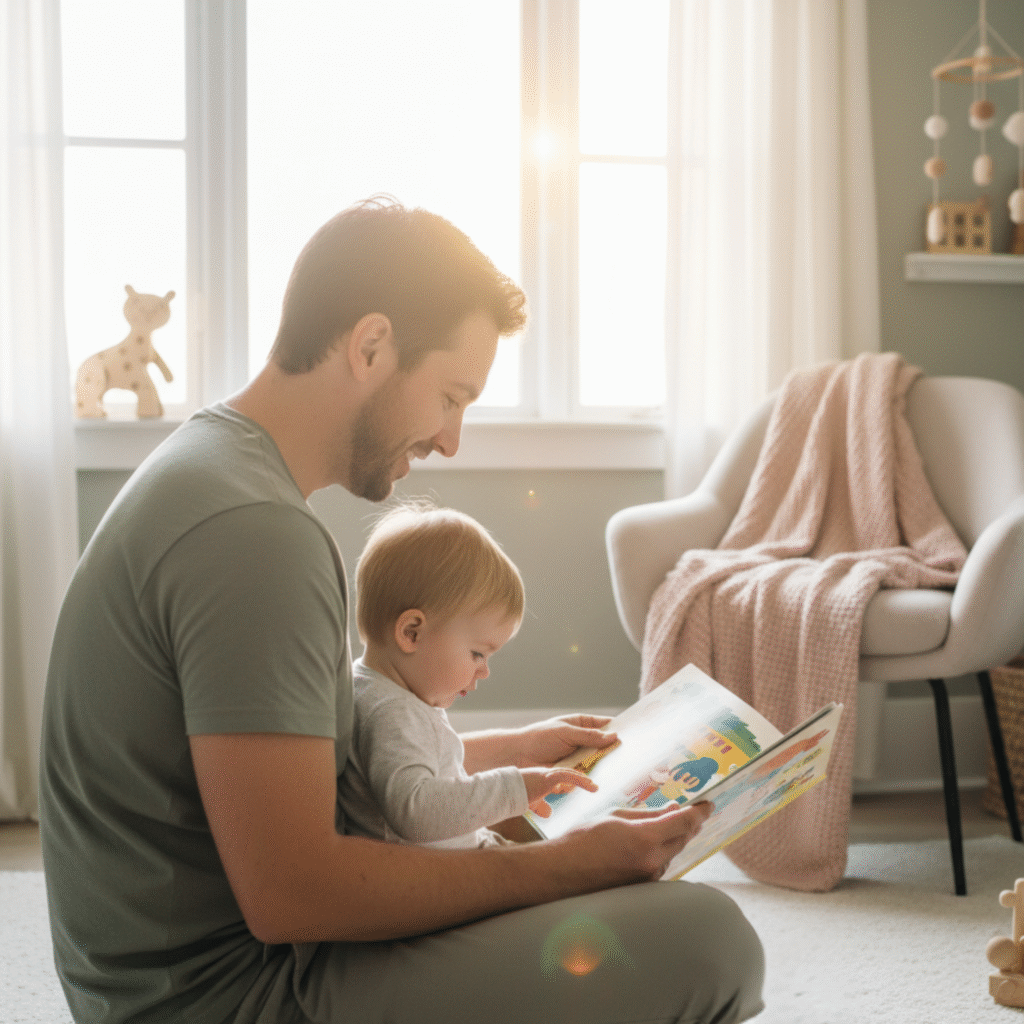
Building emotional intelligence in toddlers starts with nourishing the conversation around feelings, even when words are just beginning to form.
In fact, toddlers express complex emotions through actions, expressions, and sounds. Therefore, by tuning in attentively, parents can spark meaningful exchanges that teach children to recognize and name their emotions.
Validation and presence nurture a foundation of self-awareness and empathy essential for lifelong connection and resilience.

Create a Calm, Connected Space
The environment where your toddler grows is a silent but powerful teacher.
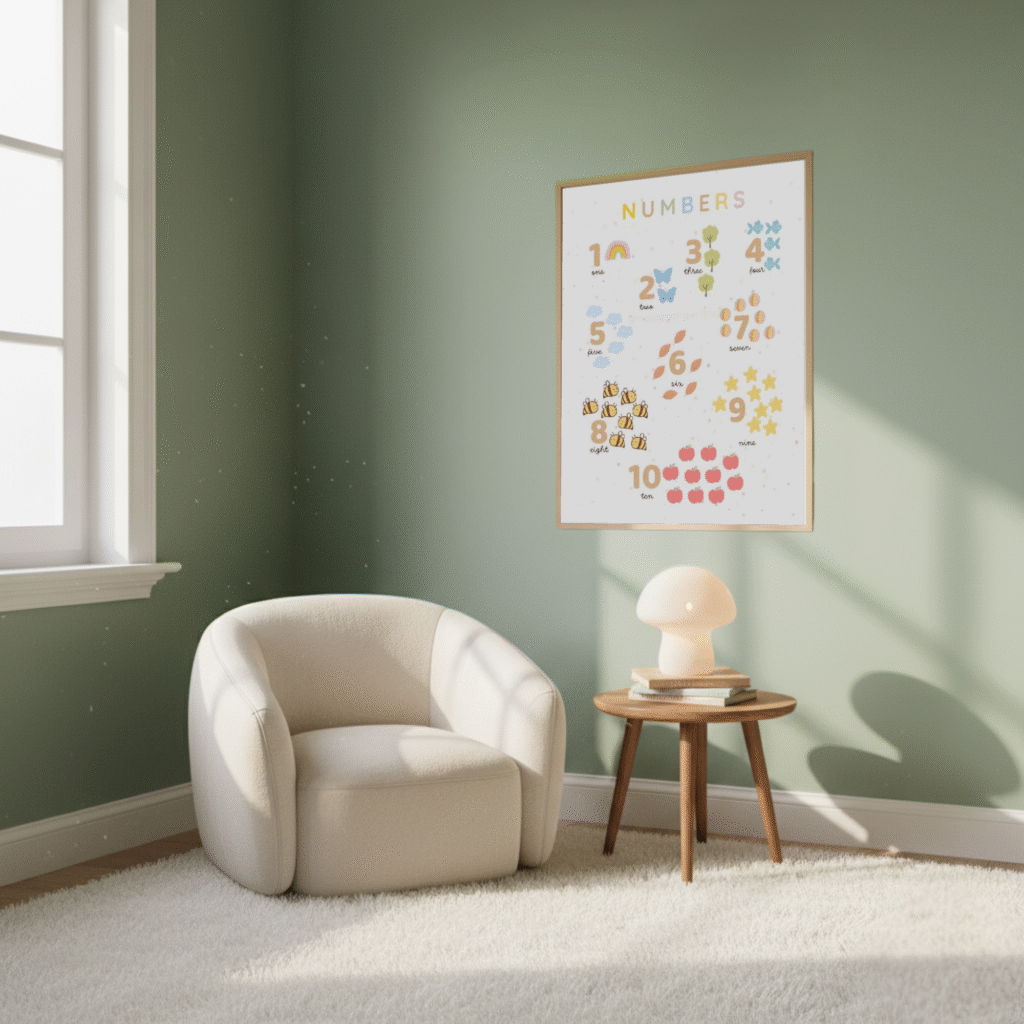
A calm and thoughtfully designed space, free from clutter and overstimulation, supports emotional regulation and curiosity.
For example, choosing soft colors, natural materials, and familiar, comforting objects helps create a serene atmosphere where children can thrive. Such a space validates the parent’s identity and fosters pride, encouraging both reflection and joyful play.
Take Creative Control as a Parent
This means owning your choices in shaping your child’s well-being.
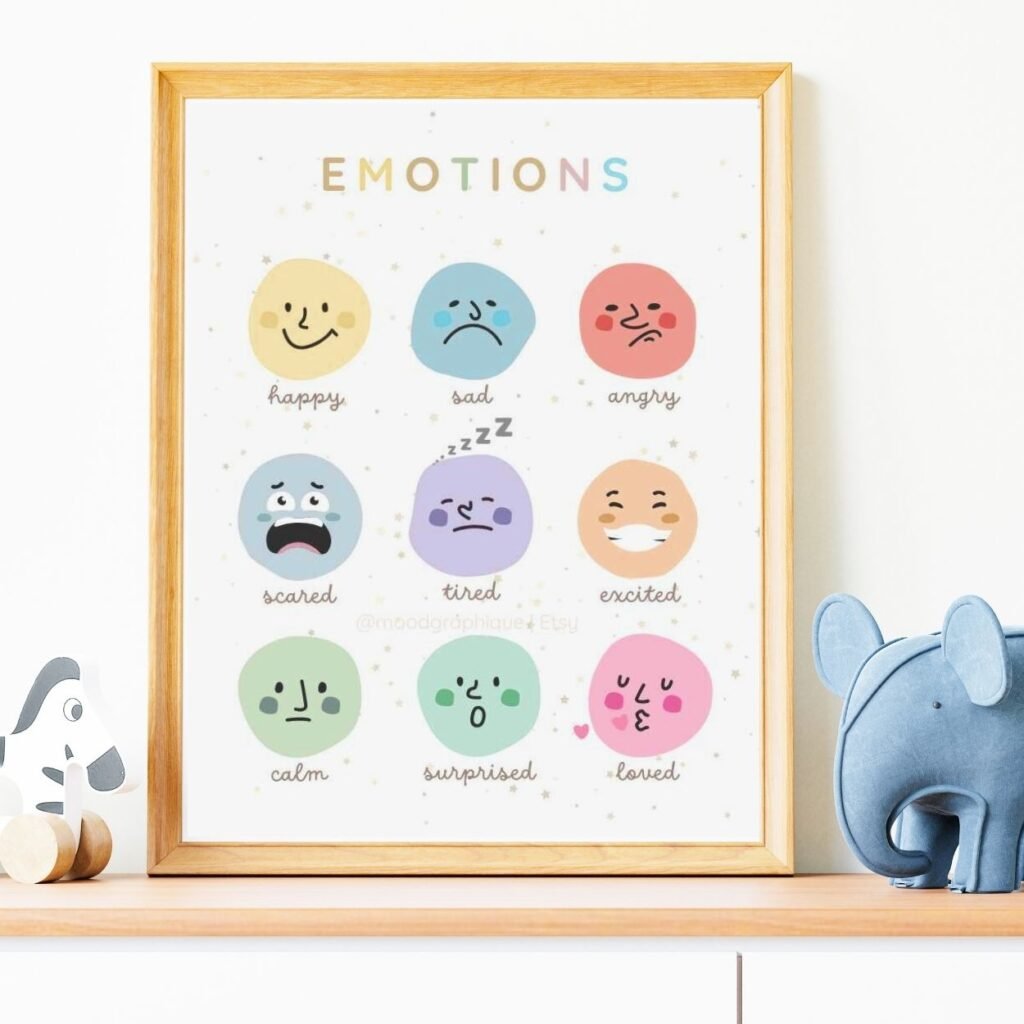
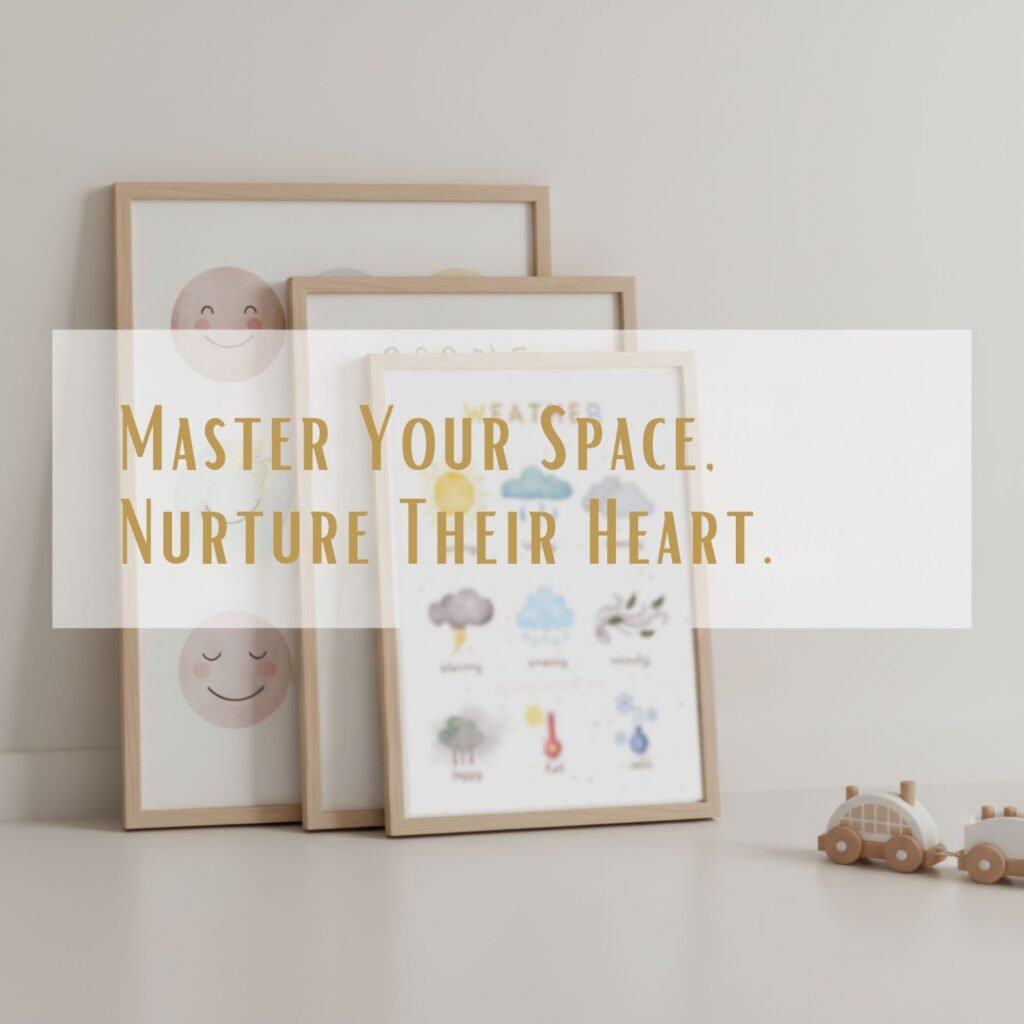
Selecting art that reflects emotional themes and arranging spaces for easy communication empowers parents to nurture connection with intention. As a result, this creative control enriches the parent-child relationship and transforms the room into a living expression of your nurturing role.
Conclusion
Nurturing emotional intelligence in toddlers is a precious gift. Through heartfelt conversations, a calming environment, and creative mastery, parents can foster resilience, empathy, and well-being.
Indeed, this journey reflects a parent’s pride and deep involvement, turning each detail in the room into a reminder of the connection nurtured daily and the values reflected with mastery.